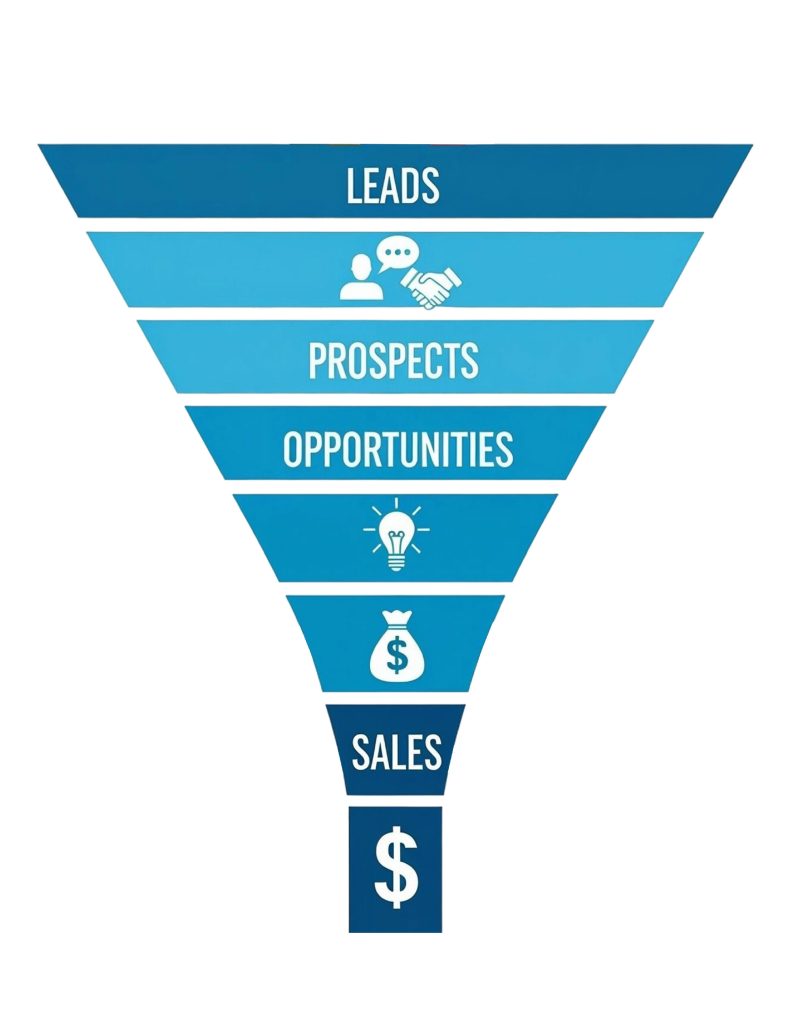
Sales Process & Methodology Consulting
Your Sales process exist
Your Team aren't using it
We fix the process first.
then the data starts to mean something.
We help sales leaders and business owners define, document, and embed the sales processes and methodologies that make CRM data, pipeline reporting, and qualification criteria actually useful.
Most sales teams are running on habit, not process. That means your CRM is full of unreliable data, your reports don’t tell you what’s actually happening, and your managers are making decisions based on gut feel because the data can’t be trusted.
The Problem
When a sales leader or business owner can’t answer these questions cleanly, there’s a process problem:
- Why did we lose that deal?
- Which salesperson is genuinely performing, and which one is just lucky with their territory?
- What does a qualified opportunity actually look like in our business?
- Why does our forecast always seem to miss?
The answer is almost never the people. It’s that no one has defined what “good” looks like at each stage, built that definition into the CRM, or given managers a framework to coach against.
Without that foundation, your sales data is a record of activity. It tells you what happened. It can’t tell you why or what to do next.
What we do
sales process review
From documented process to how your team actually sells
Most businesses have a sales process. It might be a slide deck from a training day two years ago, a section in the onboarding manual, or a set of CRM stages someone set up when the system was first configured. The problem is rarely that a process doesn’t exist. It’s that the team isn’t following it, and nobody has worked out exactly where the gap opened up or what it’s costing.
When there’s a disconnect between the process on paper and the one your salespeople actually use, the impact shows up in predictable ways. Pipeline reviews become opinion-based. Forecast accuracy drops. Managers can’t coach consistently because there’s no agreed standard to coach against. Win rates vary more than they should between reps with similar experience and similar territories.
A Sales Process Review gives you a clear picture of where your current process is working, where it isn’t, and what needs to change. We look at how your team is actually selling, map that against your documented process, and identify the gaps that are costing you deals, accuracy, or both.
We help you:
- Identify the stages where deals stall, slow down, or get lost without a clear reason
- Define what good looks like at each stage so managers can coach against a consistent standard
- Align your process to how your buyers actually make decisions, not how you wish they did
- Fix the gaps between what’s documented and what’s happening on the floor
- Build a process your team will follow because it reflects how good selling actually works in your business
A sales process isn’t a constraint. When it’s built right, it’s the thing that separates consistent performers from those who rely on personality and luck.
If your process hasn’t been reviewed since you built it, it probably no longer reflects your market, your team, or your buyers.
sales methodolgy
When your pipeline looks healthy, but your close rate tells a different story
A sales process tells your team what to do at each stage. Move the opportunity forward. Get a meeting. Send a proposal. A methodology tells them how to do it, how to qualify, how to run a discovery conversation, how to build a business case, how to handle the moments where a deal can be won or lost.
Most businesses invest in one and assume the other will follow. It doesn’t.
The most common symptom is a pipeline that looks full but consistently underdelivers. Reps are hitting their activity numbers, opportunities are moving through stages, and the forecast says things are on track. Then close rates tell a different story. Deals that looked solid go quiet. Proposals go out and never come back. Discounting starts earlier than it should because reps don’t have another lever to pull.
The root cause is usually qualification. When there’s no shared definition of what a real opportunity looks like, reps qualify based on gut feel, optimism, or pressure to show pipeline. Your best reps have an instinct for this that took years to develop. The rest of the team doesn’t, and without a defined methodology, there’s no way to close that gap.
We work with you to:
- Define a qualification framework that reflects how your best reps actually assess an opportunity
- Align your sales methodology to the way your buyers evaluate and make decisions
- Give managers a consistent standard to coach against in pipeline reviews
- Reduce the gap between forecast and actual by tightening what gets counted as a real opportunity
- Build the skills and language your team needs to execute the methodology, not just understand it on paper
Methodology isn’t about scripting your salespeople. It’s about giving them a framework that replaces guesswork with judgement. So they spend time on the right deals and know what to do when those deals get complicated.
If your qualification criteria live in someone’s head rather than in your process, your pipeline isn’t telling you what you think it is.
CRM architecture & dashboard design
A CRM built around a broken process just makes the problems easier to see
Most CRM problems aren’t technology problems. The platform isn’t the issue. The issue is that the CRM was configured around whatever process existed at the time, or no defined process at all, and then the business kept growing while the CRM stayed the same.
The result is a system your team works around rather than in. Reps log the minimum required to satisfy their manager. Fields that made sense three years ago sit empty because nobody remembers why they were added. Stage names mean different things to different people. And the dashboards that are supposed to give leadership visibility into the business are really just showing you whatever got entered, which is not the same thing as what’s actually happening.
When your CRM isn’t built around a defined process, it can’t give you what you actually need from it. You can’t forecast accurately because the data going in isn’t consistent. You can’t identify where deals are stalling because the stages don’t reflect real buying decisions. You can’t coach effectively because the CRM doesn’t capture the right information at the right points in the process.
We work with you to:
- Align your CRM stages to your actual sales process so pipeline data reflects reality, not wishful thinking
- Define the fields that matter at each stage and remove the noise that clutters reporting and discourages adoption
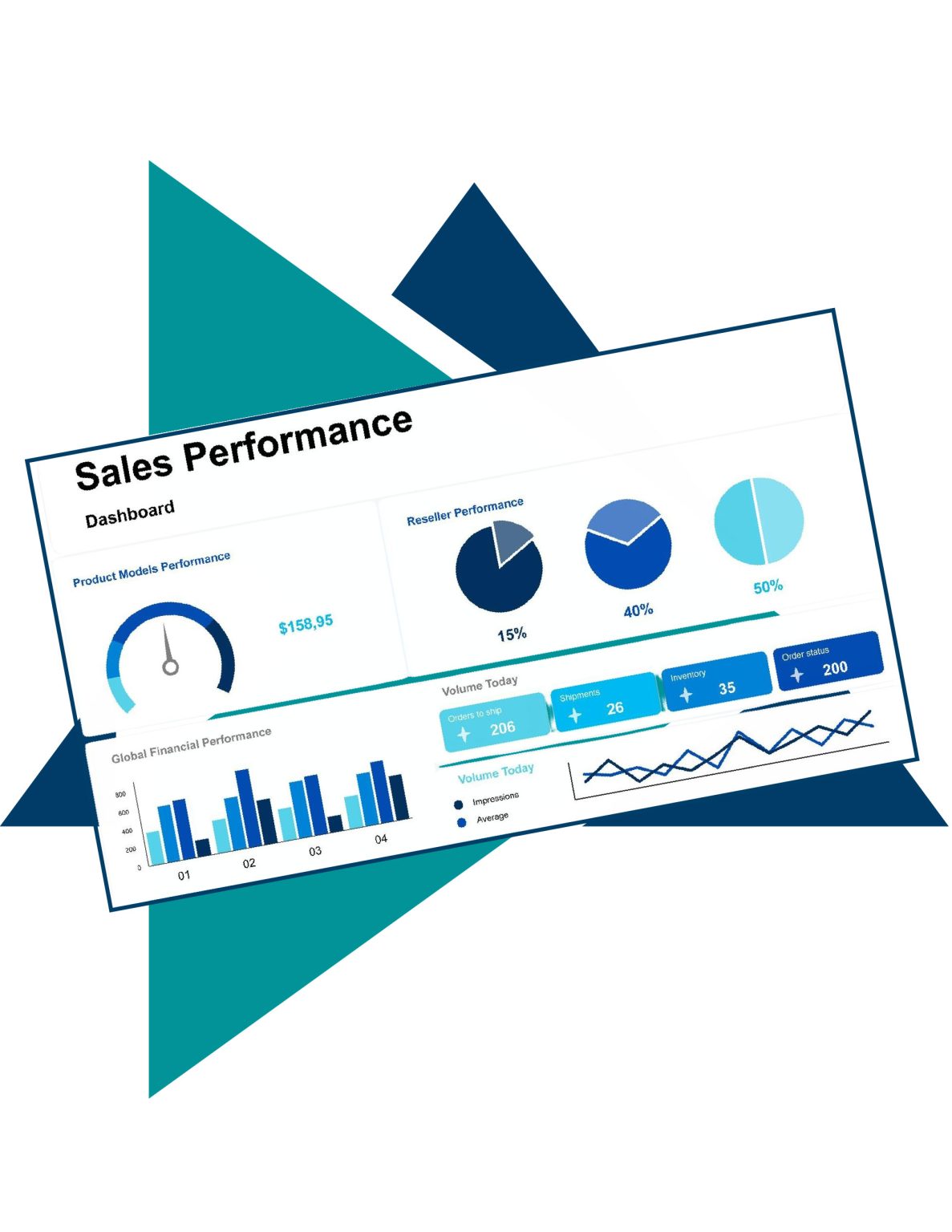
- Design dashboards that answer the questions your managers and leaders actually need answered
- Build reporting that shows you where deals are stalling, where pipeline is healthy, and where attention is needed
- Give your team a CRM they can see the point of, so adoption improves without it needing to be enforced
A well-configured CRM doesn’t just report on your sales activity. It becomes the tool your managers use to coach, your leaders use to make decisions, and your reps use because it actually helps them sell.
If your team treats the CRM as a reporting obligation rather than a sales tool, the architecture is the problem.
qualification criteria development
When everyone has a different idea of what a good opportunity looks like
Ask five reps on the same team what qualifies as a real opportunity and you’ll get five different answers. Some will tell you it’s anyone who’s taken a meeting. Others will say it’s a company that fits the profile. The optimists will count anyone who hasn’t said no yet. None of those are qualification criteria. They’re reasons to stay busy.
Without a shared definition of what a real opportunity looks like, pipeline reviews become negotiation sessions. Managers push back on deals that shouldn’t be there. Reps defend opportunities they know aren’t solid because removing them means explaining why they’re short. Forecasts become a compromise between what’s real and what looks acceptable, and the number that goes to leadership reflects neither.
The cost isn’t just forecast accuracy. It’s time. Reps who can’t qualify effectively spend weeks on deals that were never going to close, while the opportunities worth pursuing don’t get the attention they need. That’s not a motivation problem or a skills problem. It’s a criteria problem.
We work with you to:
- Define qualification criteria that reflect how real purchasing decisions actually get made in your market
- Build a framework your reps can apply consistently, not one that requires years of instinct to use correctly
- Give managers a shared standard for pipeline reviews so the conversation is about deal quality, not personal opinion
- Identify the signals that separate genuine intent from polite interest early enough to act on them
- Embed the criteria into your CRM and sales process so qualification becomes part of how your team sells, not an extra step
Good qualification criteria don’t just filter out bad opportunities. They change how your team approaches every conversation because reps who know what they’re looking for ask better questions and make better decisions about where to invest their time.
If your pipeline is consistently larger than your results, the criteria are the problem.
sales reporting that drives decisions
Most sales reports tell you what happened. The useful ones tell you what to do next.
There’s no shortage of data in most sales businesses. CRMs generate activity reports, pipeline summaries, conversion metrics, and forecast snapshots. The problem isn’t access to information. It’s that most of it describes the past without pointing to anything actionable, and the people who need to make decisions are left trying to read between the lines of a report that wasn’t designed to answer the questions they’re actually asking.
A weekly pipeline report that shows total value and stage distribution tells you what your team entered into the CRM. It doesn’t tell you which deals are real, where momentum has stalled, which reps need help and with what, or whether you’re going to hit your number. For that, you need reporting built around the right questions, not just the available data.
The other common failure is reporting that works for one audience but not the others. Leadership wants a view of revenue trajectory and where risk sits. Managers need to know which deals need attention and which reps need coaching. Reps need to understand how their pipeline translates to results and where to focus this week. Most businesses run one report and expect it to serve all three, which means it ends up serving none of them particularly well.
We work with you to:
- Define the questions your reporting actually needs to answer for leaders, managers, and reps respectively
- Build a reporting framework around pipeline health, deal velocity, and conversion by stage rather than just activity and volume
- Surface where deals are stalling, which lead sources are producing real opportunities, and where reps are losing deals they should be winning
- Design dashboards your managers will open because they answer something useful, not because they’re required to
- Tie your reporting back to your sales process so the data reflects what’s actually happening at each stage
Reporting built around the right questions changes how your managers run pipeline reviews, how your leaders assess risk, and how your reps prioritise their week. It turns a backward-looking summary into something people actually use.
If your sales reports are being read but not acted on, they’re not answering the right questions.
.
If your sales data isn’t helping you make better decisions, the process behind it needs work.

Who This Is For
build better Sales insights
This engagement suits you if:
- You have a sales team but no consistent, documented process that everyone follows
- Your CRM data is unreliable or incomplete, making pipeline reviews and forecasting a guessing game
- You have sales reports but they don’t tell you where to focus or what to change
- Your managers are coaching on activity rather than on process or methodology
- You’ve grown quickly, and the informal systems that worked at five people aren’t working at fifteen
This is not sales training. It is consulting, reviewing what you have, identifying what’s missing, and building the structure your team needs to perform consistently.
How it works
independent review of your sales methods
Every engagement starts with a discovery conversation to understand your current state, team structure, and what’s driving the gap between where you are and where you want to be.
From there, the scope is tailored. Some clients need a full process build from scratch. Others have a solid process but a CRM that doesn’t reflect it. Some need help defining methodology so managers can actually coach it. We scope the work around what will move the needle most.
Deliverables are practical and usable not a document that sits in a drawer. You get a defined process, embedded qualification criteria, a reporting framework your managers can actually act on, and the capability to maintain it without us.